


September 15, 2026 – The New Fed Is Not So New
0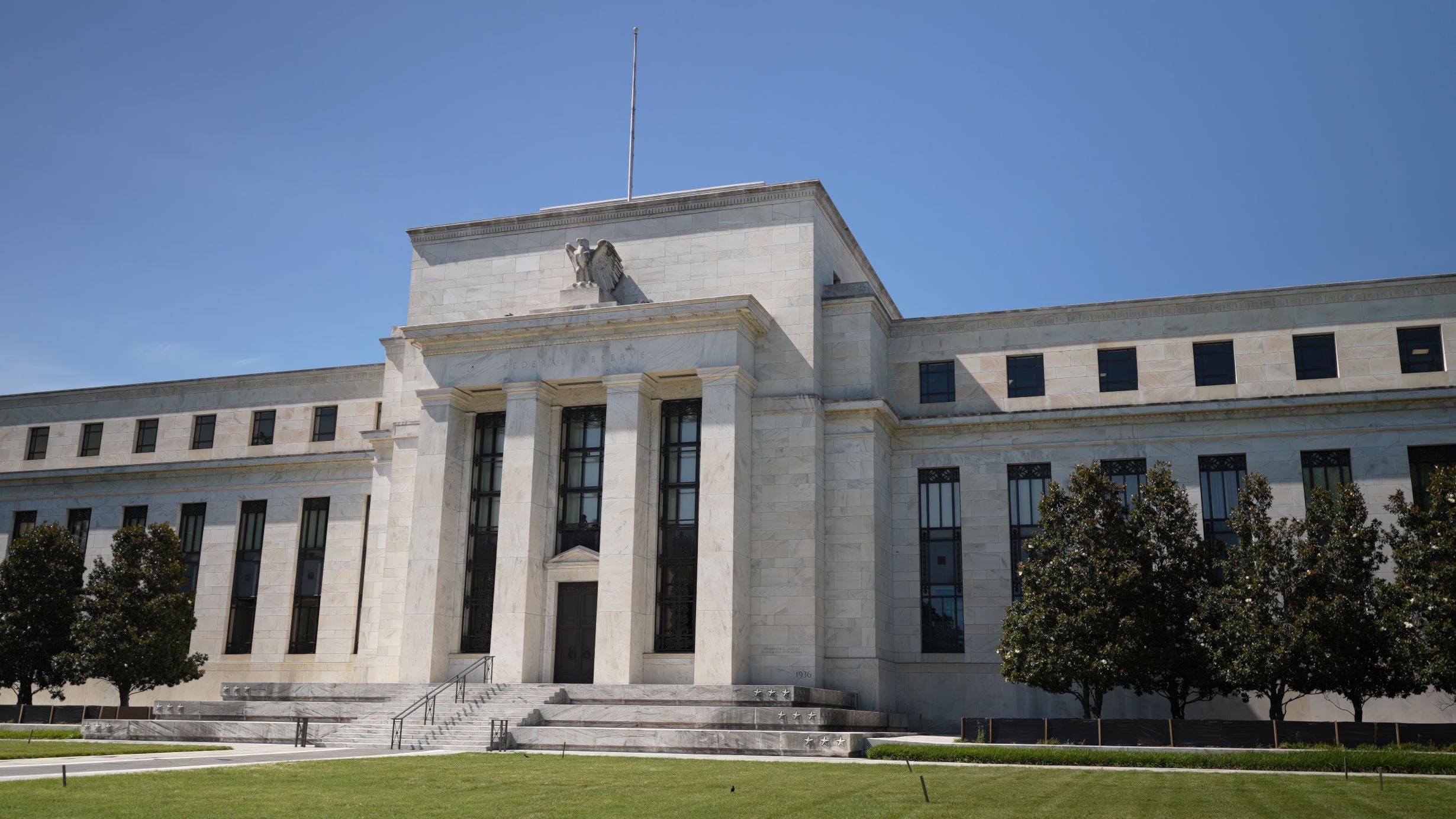
Economic Commentary
The Federal Reserve’s new Chairman, Kevin Warsh, has promised changes in their modus operandi under his realm. Specifically, he has made pulling back on economic forecasting a cornerstone of his tenure. In his highly anticipated speech at the Jackson Hole Economic Symposium last month, Warsh explicitly criticized the Fed’s heavy reliance on “forward guidance”—the practice of telegraphing future interest rate paths. We agree with his assessment that “accuracy in economic forecasting is still just an aspiration.” After all, many times we have stated within this commentary that predictions of the future are futile.
On the other hand, how many Federal Reserve members have made speeches in the past several weeks, calling for a rate increase based upon their predictions that inflation is not going to get better without some intervention? While we don’t have an exact count, enough of them have come out on this side of the equation that the markets were predicting a 60% chance of a rate increase around the first of this month. Another prediction of the future. Our point here is not to insert our own prediction of a rate increase, but to point out that the prediction game is not going away under Warsh’s tenure. As a matter of fact, with so many currently playing in the prediction markets, we as a culture are currently getting more invested in predictions, not less.
Two factors could keep the Fed from raising rates this week. First, the feeling that the Middle East conflict is not only going to quiet down, but oil and other commodities are going to start flowing freely again through the Strait of Hormuz. Secondly, evidence that our inflation rate is slowing and the economy is slowing with inflation. Warsh’s Jackson Hole speech indicated that the economy was strong. The most recent quarter’s 1.5% growth rate does not seem that strong to us, and the latest jobs report was evidence that, while unemployment remains low, job growth is still below normal despite a rebound last month. Also, last week’s inflation reports were elevated as expected. Will the Fed raise rates? We will get our answer tomorrow.
Weekly Interest Rate Overview
The Markets. Mortgage rates persisted higher in the past week as the conflict in the Middle East continued to flare up and the next meeting of the Fed approached. The 10-year Treasury continued its upward climb, and mortgage rates are following this trend as the markets stayed nervous about inflation expectations in response to oil prices climbing to recent highs. According to the Freddie Mac weekly survey, 30-year fixed rates rose to 6.76% last week from 6.71% the previous week. In addition, 15-year rates increased to 6.09%. A year ago, 30-year fixed rates averaged 6.35%, 0.41% lower than today. Note: Rates indicated do not include fees and points and are provided for evidence of trends only. They should not be used for comparison purposes.
Real Estate News
New condominium lending rules from Fannie Mae and Freddie Mac could make loan approval easier for some borrowers while adding complexity for others says NAR Director of Conventional Housing Finance and Valuation Policy Ken Fears. Changes include the elimination of a streamlined process for project approvals, waivers available for buildings with 10 or fewer units and increases in homeowners association (HOA) reserve requirements. With streamlined approvals eliminated, many have expressed concerns about transaction delays. Fears says Fannie Mae’s condo project manager app, introduced in 2025, should lessen the burden for lenders seeking project approvals, because once a building is approved for one loan, subsequent loans will no longer have to go through the full review. Jodi Horne, Fannie Mae’s director of collateral risk management, says the new changes are aimed at preventing deferred maintenance, special assessment and long-term affordability issues, and she encourages real estate professionals and HOAs to verify condo eligibility to help avoid closing delays. Source: Realtor.com
Following a year characterized by elevated interest rates and sluggish sales, home sellers are finally confronting the reality this summer and becoming pragmatic about home pricing. Now, a year later, instead of opposing the cooling market, sellers have started to recalibrate their expectations and reduce their initial asking prices. Further, in July, the median listing price experienced a decline of 2.4% compared to the previous year. Additionally, less than 40% of the active listings underwent a price reduction, in contrast to 54% of listings in July 2025—indicating that sellers are now pricing homes more competitively from the outset. “Last year, sellers were still pricing for the market they remembered, not the one buyers were actually facing,” said Jake Krimmel, Senior Economist at Realtor.com. “This summer, they’ve been more realistic from day one—and more willing to adjust when necessary.” In addition, the proportion of active inventory categorized as “on sale” or price-reduced decreased in all 50 of the largest metropolitan areas from July 2025 to July 2026. In instances where price reductions are required, sellers are initiating their first cut three to four days earlier than the previous year—averaging 34 days in comparison to 38 days last year—with reductions averaging at least one percentage point smaller across all regions. “That is good news for buyers, who are seeing lower asking prices and more room to negotiate, but it is also good news for sellers: Pricing to today’s demand is helping homes move and keeping more transactions alive in a high-rate environment,” Krimmel said. Source: MP Daily
Mortgage rates haven’t moved much lately, but some would-be home buyers may be waiting on the sidelines based on misconceptions about mortgage rates, financing and what it really takes to buy a home. A recent survey of about 1,000 prospective home buyers by Neighbors Bank found that nearly half—45%—believe mortgage rates are higher than they are. Meanwhile, 72% of prospective buyers say they’ve delayed their home search while waiting for rates to improve, putting their plans on hold for an average of 13 months. Some may be beginning to question that strategy. Forty-one percent of potential home buyers who are waiting say they regret not buying before mortgage rates or home prices climbed further. Another 17% say they would have bought sooner if they could redo the past year. About half of survey respondents also say rising rents have made it more difficult for them to save for a home. Many would-be buyers say they’ve been holding out for mortgage rates to drop to 5%, a level the market hasn’t seen since 2022, according to the Neighbors Bank survey. But “buyers who understand where rates actually stand may be positioned to move sooner than they thought,” says Ashley Harris, director of homebuyer education at Neighbors Bank. “The most useful move is usually to work with the market as it is.” The rate-perception gap is part of a broader issue Neighbors Bank has identified in its recent surveys around what prospective buyers think they need to qualify for a home. In a separate survey of about 1,000 middle-income renters, 45% believed they needed a credit score of at least 700 to buy a home. More than half—55%—believed they needed a 20% or larger down payment, while another 29% thought they needed between 10% and 19%. In reality, the median down payment among first-time buyers was 10% last year, according to NAR. Federal Housing Administration loans, a popular choice among first-time home buyers, can require as little as 3.5% down. Yet, 94% of renters surveyed said they didn’t know a down payment could be as low as 3% to 3.5%. Source: Neighbors Bank
